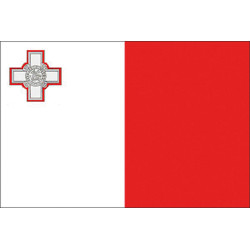
In the world of boating and international sailing, courtesy flags are a time-honored tradition and a symbol of respect. When a vessel enters the territorial waters of a foreign country, it is customary—and often expected—to fly the national flag of that country as a gesture of goodwill. This flag, known as a courtesy flag, is flown from the boat’s starboard spreader or another appropriate location and serves both diplomatic and practical purposes.
What is a Courtesy Flag?
A courtesy flag is a small version of a country’s national flag, flown by visiting foreign vessels while in that country’s territorial waters. It is not a replacement for the vessel’s own national ensign (which should still be flown from the stern or another designated position), but rather an additional flag flown to show respect to the host nation.
Purpose and Importance
1. Diplomatic Courtesy
As the name suggests, courtesy flags are flown out of courtesy. They signal that the vessel acknowledges the sovereignty of the host country and abides by its laws and regulations while in its waters. It’s a non-verbal form of diplomatic protocol among sailors and an expression of international respect.
2. Legal and Regulatory Compliance
In many countries, flying a courtesy flag is not just polite—it is expected. While not always legally required, failing to fly the proper courtesy flag may be seen as disrespectful and could attract unwanted attention from local authorities or port officials.
3. Identification and Communication
Flying a courtesy flag helps customs, immigration, and port authorities identify foreign vessels more easily. It can streamline the clearance process and shows that the crew is aware of maritime etiquette.
When and Where to Fly a Courtesy Flag
The courtesy flag should be hoisted as soon as the vessel enters foreign waters and must be kept flying while the vessel remains in that country. It should be in good condition, clean, and properly sized.
On sailboats, it is typically flown from the starboard spreader on the mast. On powerboats, it may be flown from a staff on the bow or another visible location. It should never be flown higher than the vessel’s own national flag.
If the vessel visits multiple countries on a voyage, the courtesy flag should be changed accordingly upon entering each new country’s waters.
Additional Flags
Sometimes, boats may also fly other related flags, such as:
- Q Flag (Yellow): Flown when entering a new country to signal that the vessel requests clearance from customs and is not yet officially entered.
- Yacht Club or Organizational Flags: These can be flown separately and indicate affiliation, but they should never take precedence over the courtesy flag.
Conclusion
Courtesy flags are more than just colorful fabric—they are an integral part of international maritime tradition. They reflect the values of respect, diplomacy, and cooperation among nations and sailors. For any mariner planning to cross borders, understanding and following proper flag etiquette is not only a sign of professionalism but also a smart way to ensure smoother, more respectful interactions in foreign ports.