Drainage cleansing is an essential part of home and commercial property maintenance that ensures the smooth and hygienic flow of wastewater. Over time, drains can accumulate debris, grease, hair, soap scum, and even roots from nearby trees, which can lead to blockages. Ignoring this buildup can cause a range of issues, from unpleasant odors to significant 藍田通渠 emergencies. Regular drainage cleansing not only prevents these problems but also extends the life of your plumbing system.
One of the most common signs that a drain needs cleansing is slow water drainage in sinks, tubs, or toilets. Gurgling noises from pipes or foul odors rising from the drains are also clear indicators of a clogged or dirty drainage system. In more severe cases, water backup and flooding may occur. These situations can damage flooring, promote mold growth, and become breeding grounds for bacteria and pests. Professional drainage cleansing helps tackle these issues before they escalate into costly repairs or health hazards.
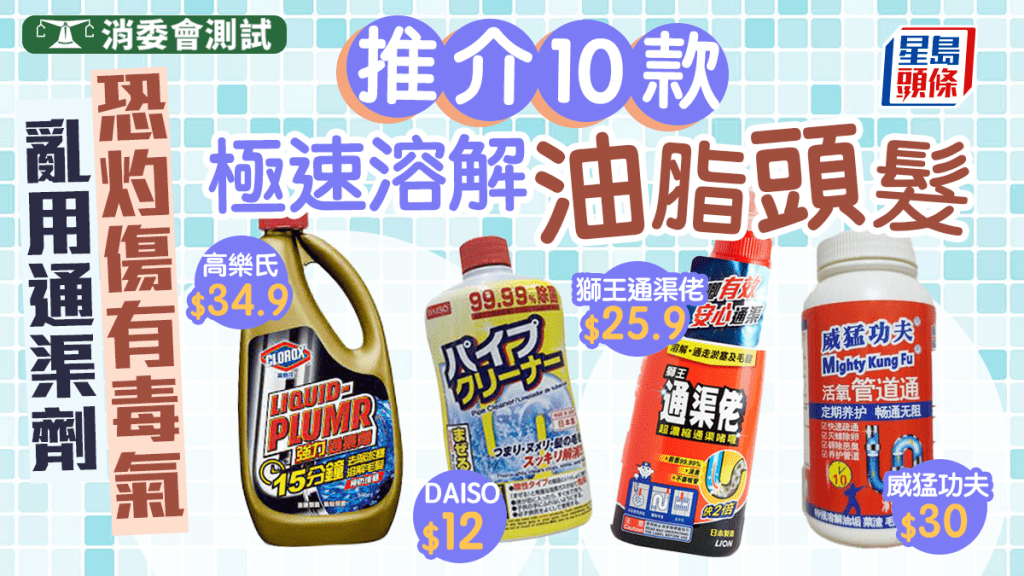
There are various methods used for drainage cleansing, depending on the severity and type of blockage. For minor clogs, plungers and hand augers may be sufficient. However, for tougher buildups, plumbers often employ hydro jetting—a high-pressure water stream that blasts through debris and buildup inside the pipes. Another method includes drain snaking, where a flexible cable is inserted into the drain to physically remove obstructions. For grease-related clogs, enzyme-based or chemical cleaners may be used, although they must be handled with care to avoid damage to the pipes.
Routine drainage cleansing has many benefits that go beyond preventing clogs. Clean drains help maintain a healthier home environment by eliminating bacteria-laden buildup and preventing sewage odors. They also improve the efficiency of your plumbing system, reducing the risk of slow drains or standing water. Regular maintenance also reveals early signs of corrosion, leaks, or structural issues, giving homeowners the chance to act before extensive damage occurs. In commercial settings, especially restaurants and healthcare facilities, clean drains are crucial for hygiene and compliance with sanitation regulations.
In conclusion, drainage cleansing should be viewed not as a reactive task but as a preventive measure that preserves the integrity of your plumbing system. Whether you perform basic maintenance on your own or hire a professional plumber for more intensive cleaning, staying proactive can save time, money, and stress in the long run. Ignoring your drains can lead to inconvenient and expensive problems, while regular cleansing ensures your water flows freely and your environment remains clean and safe. If you notice any signs of blockage or haven’t had your drains cleaned in a while, consider scheduling a professional inspection to maintain a well-functioning drainage system.